
How to Find Your Art Style When You Like Too Many Things
If you’ve ever thought, “I like too many things, I’ll never find my art style,” I want you to take a breath right now.
Because what if the problem isn’t that you like too many things…
What if the problem is that you’ve been taught the wrong order?
For a long time, I believed I needed to figure out my style first before I could put myself out into the world as an artist. Before I could show my work. Before I could pursue licensing, illustration, or meaningful opportunities.
And without realizing it, finding my style became a barrier between me and actually doing the work.
That belief quietly feeds perfectionism.
It delays momentum.
And it keeps artists endlessly “preparing” instead of participating.
If that sounds familiar, this post is for you.
(And Why Liking Many Things Is Not the Problem)

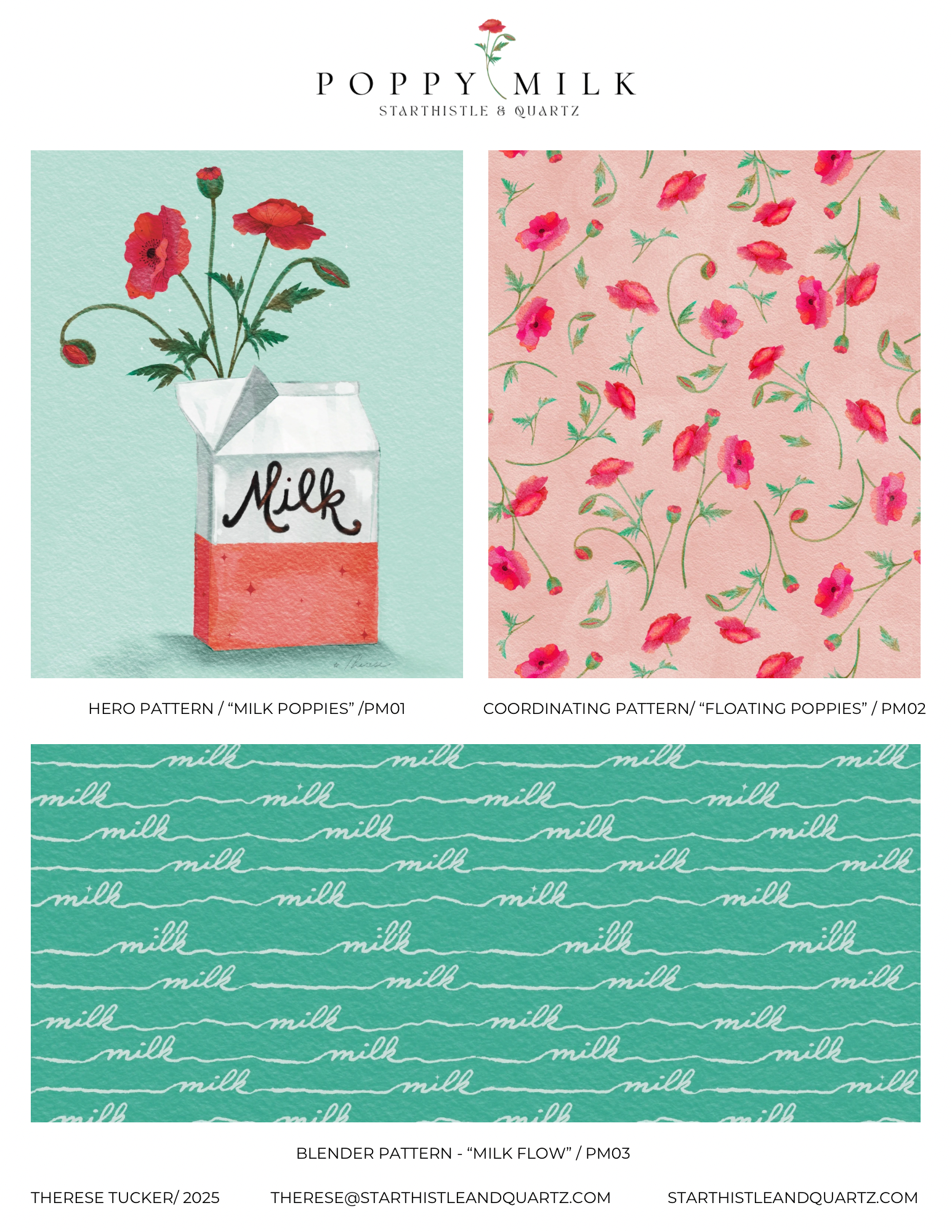
My “Poppy Milk” mini collection from 2025
If you’ve ever thought, “I like too many things , I guess I’ll never find my art style,” I want you to take a breath right now.
Because what if the problem isn’t that you like too many things…
What if the problem is that you’ve been taught the wrong order?
For a long time, I believed I needed to figure out my style first before I could put myself out into the world as an artist. Before I could show my work. Before I could pursue licensing, illustration, or meaningful opportunities.
And without realizing it, finding my style became a barrier between me and actually doing the work.
That belief quietly feeds perfectionism.
It delays momentum.
And it keeps artists endlessly “preparing” instead of participating.
If that sounds familiar, this post is for you.
When “Finding Your Style” Becomes a Trap
Here’s something I don’t hear talked about enough:
A huge part of discovering your style doesn’t happen in private.
It happens after you put your work out into the world.
It happens when:
You notice which pieces people respond to (and which they don’t)
You feel into what doesn’t feel aligned anymore
You receive feedback, even neutral or confusing feedback
You realize what’s missing from your portfolio
You see patterns in what you keep returning to
You can’t get that information by waiting until everything feels perfect.
And yet, many artists treat style like a gatekeeper:
“Once I figure this out, then I’ll be ready.”
In my experience, it’s the opposite.
Readiness comes from repetition, exposure, and choice, not certainty.
Liking Many Things Doesn’t Mean You’re Unfocused
For a long time, I interpreted my wide range of interests as a flaw.
I love:
Gouache and mixed media
Digital illustration and surface design
Animals, women, florals
Mythical, whimsical, storybook worlds
Minimal, chic aesthetics and rich, narrative depth
Children’s books and licensing art for everyday objects
At one point, all of that felt like evidence that I lacked direction.
Now I see it differently.
Liking many things usually means:
You have a wide field of vision
You’re sensitive to nuance
You’re capable of world-building, not just one-off images
You’re meant to work relationally, not narrowly
It doesn’t mean you lack direction.
It means you need cohesion, not restriction.
The Shift That Changed Everything: Working in Collections
The biggest breakthrough in my creative process came when I stopped asking:
“What is my style?”
And started asking:
“What story am I telling, and how can these pieces belong together?”
Working in collections changed everything.
Before that, I created mostly one-off pieces:
Intuitive bursts of inspiration
Beautiful moments, but disconnected
Little momentum
No clear throughline for my audience (or myself)
Once I began working in collections, clarity followed naturally.
Not because I forced a style, but because I made consistent choices.
My Current Framework (You Can Borrow This)
Here’s the simple framework I use now:
Theme → Constraints → Story → Exploration
Instead of waiting for inspiration to strike perfectly, I begin with structure that still allows play.
1. Start with a Theme
This might be:
A place (the woods, a village, the night)
A concept (time of day, seasons, mythology)
A feeling (quiet magic, nostalgia, wonder)
Right now, my Patreon collection Moonrise Menagerie is built around woodland settings, mythic animals, and the progression of time across a single day.
2. Add Constraints (This Is Where Style Begins)
Constraints reduce pressure and increase cohesion.
The things I consciously limit:
Color palette (this is always my doorway in)
Location or setting
Tools & materials (very limited brushes or media)
Motifs (animals, flowers, stars, repeated symbols)
Texture & line weight
When you remove infinite options, your preferences start to speak.
3. Let the Story Lead
Instead of asking, “Am I good enough?”
I ask, “What am I trying to give?”
That shift moves the focus:
Away from self-judgment
Toward connection
Toward the viewer’s experience
Story creates momentum. Style follows.
4. Keep Composition Flexible
I intentionally leave room for play.
I might have a loose idea, but I allow:
Accidents
Discoveries
Adjustments mid-process
Some of my strongest moments happen because I didn’t over-plan.
Why This Quietly Teaches You Your Style
Style isn’t a single decision.
It’s the accumulation of small preferences repeated consistently.
Over time, I noticed:
I reach for the same tools because my hand responds well to them
I layer color in a specific order
I return to warmth, softness, and gentle symbolism
Stars, woodland elements, and nurturing tones appear again and again
I didn’t force these choices.
They emerged because I stayed with the work longer.
That’s the real secret.
What Changed Emotionally When I Stopped “Picking the Right Thing”
I became:
More relaxed
More confident
Less afraid of feedback
More willing to share imperfect work
Feedback became a friend, not a threat.
A “no” stopped feeling like rejection and started feeling like information.
And information builds discernment.
If You Love Too Many Things, Try This This Week
Here are a few gentle, practical starting points:
✨ Option 1: Split the Playground
Give each style its own container:
One sketchbook for minimalist/decorative work
One sketchbook for story-driven illustration
Let each space be cohesive on its own.
✨ Option 2: Repeat One Subject Three Times
Draw the same subject:
In three styles
Or with three color palettes
Or using three tools
Notice which version feels the most alive in your body.
✨ Option 3: Stay With One Piece Longer
Instead of starting something new:
Recreate it again
Adjust one variable
Refine, don’t abandon
Repetition builds confidence faster than novelty.
Style Is a Byproduct, Not the Starting Point
If there’s one thing I want you to remember, it’s this:
Style comes from consistent choices made in motion, not from waiting until you feel ready.
You don’t need to choose one love.
You need to choose a container.
And then let your preferences reveal themselves.
Want to Watch This Process Unfold in Real Time?
Inside my Patreon, I’m currently building an ongoing collection called Moonrise Menagerie: a year-long series exploring woodland worlds, mythic animals, and the subtle magic of time passing.
If you join before the end of February, you’ll receive:
The February postcard and/or sticker
Behind-the-scenes process
How I make cohesive choices without forcing style
If you love woods, magic, and watching a world come together piece by piece, you’ll feel right at home.
How Creating Art in Collections Helps You Find Your Style (Without Forcing It)
For a long time, I thought my art style was something I was supposed to discover, like it was hiding somewhere just out of reach.
I believed that once I figured out my style, everything else would fall into place. The confidence. The clarity. The sense of direction. The feeling of finally knowing what I was doing.
But what I’ve learned, through years of creating, experimenting, doubting, recommitting, and showing up anyway, is that style isn’t something you find first. It’s something that forms while you’re busy making meaningful work.
And for me, the biggest shift didn’t come from trying harder to “define” my style.
It came when I started creating in collections.
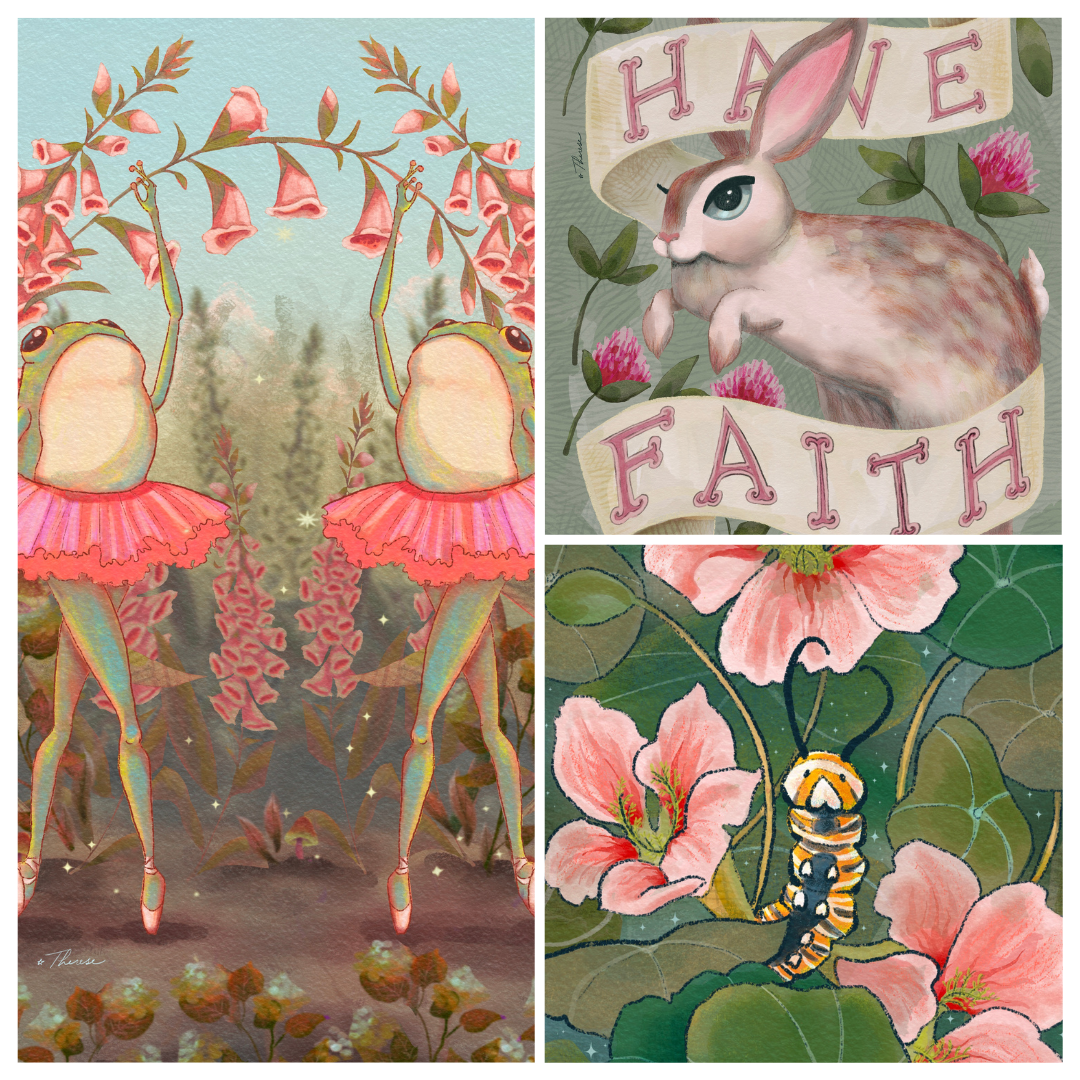
Pieces from my Botanical Beasties Collection 2025.
For a long time, I thought my art style was something I was supposed to discover like it was hiding somewhere just out of reach.
I believed that once I figured out my style, everything else would fall into place. That it would lead to my confidence, and clarity, giving me a sense of direction. I wanted the feeling of finally knowing what I was doing.
But what I’ve learned, through years of creating, experimenting, doubting, recommitting, and showing up anyway, is that style isn’t something you find first. It’s something that forms while you’re busy making meaningful work.
And for me, the biggest shift didn’t come from trying harder to “define” my style.
It came when I started creating in collections.
When Art Is Intuitive… but Scattered
Before I worked in collections, my creative process looked like this:
Inspiration would strike.
I’d make a piece.
I’d love the act of creating it.
Then I’d move on to the next idea.
As an intuitive, right-brained artist, this felt natural. Magical, even.
But over time, something felt off.
When I looked at my work as a whole, it felt scattered and disconnected. Like a series of beautiful moments that didn’t quite speak to each other.
And more importantly, I had no real sense of what my audience wanted from me.
It turned out, I didn’t lack creativity or even skill, I was actually lacking continuity.
Why Style Feels So Elusive When You’re Making One-Off Pieces
Here’s something I wish more artists talked about:
When you only create one-off pieces, you never stay with an idea long enough for your style to reveal itself.
Style doesn’t come from a single piece.
It comes from repeated choices.
When every artwork starts from scratch (with new colors, new tools, new moods, new methods) you don’t give your instincts time to deepen. You’re always beginning again.
Working in collections changed that for me completely.
What Creating Collections Gave Me (That I Didn’t Expect)
When I committed to telling a story over multiple pieces, something surprising happened:
I stopped obsessing over whether my work was “good enough.”
Instead, I started asking better questions:
What connects these pieces?
What feeling do I want someone to have when they see them together?
What choices need to stay consistent so the story makes sense?
And quietly, without forcing anything, my style began to emerge.
Not because I chased it, but because I stayed with something long enough to understand it.
Why Collections Reduce the Pressure of “Finding Your Style”
Here’s the revelatory part most artists don’t hear:
Style is a byproduct of consistency, not a prerequisite for it.
When you work in collections, your focus shifts from:
“What am I good at?”
to:
“What am I trying to give?”
You start by gathering:
a limited color palette
a recurring subject or motif
a setting or world
an emotional tone
a loose narrative arc
Suddenly, it’s no longer about proving yourself, instead It’s about serving the story.
And in serving the story, your preferences start to repeat themselves:
the same brushes
the same tools
the same layering order
the same line weight
the same kinds of shapes
the same color relationships
That repetition is style.
Style Is Not Just Something That Happens, It’s Also a Choice
This was another big realization for me:
Yes, style develops through practice.
But style also develops through decision-making.
Every time you choose:
which tools you use
which ones you don’t
which colors you return to
which processes feel natural to your hands
…you are actively shaping your style.
Working in collections made this visible.
Instead of experimenting endlessly, I started committing to a small set of choices and letting those choices teach me who I am as an artist.
My Doorway Into Every Collection: Color
Everyone has a doorway.
Mine is color.
Color is how I enter a story.
It’s how I feel my way forward.
Before I think about technique or polish, I ask:
What colors belong in this world?
Limiting my palette was the first thing that made my work feel cohesive.
If you’re just starting a collection, I always recommend this:
Choose 7 colors or fewer
Or even start with just 2–3
You’ll be amazed how quickly everything begins to speak the same language.
Real Examples From My Recent Collections
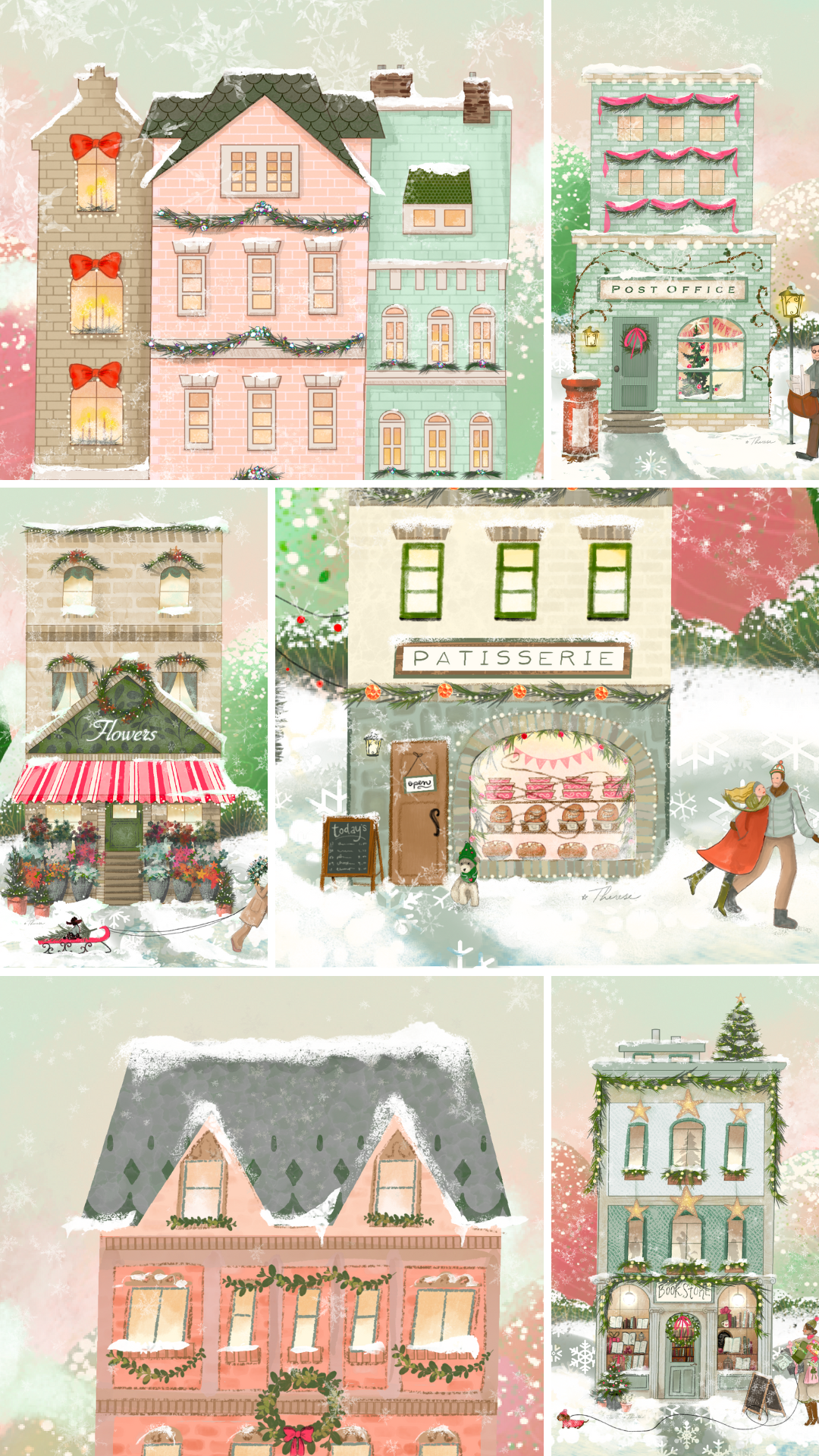
When I created my Christmas Village (Tinseltown 2025):
every building shared the same palette
every scene included people and dogs
the background texture was reused across pieces

With Scary & Sweet:
Victorian wallpaper
oval frames
named characters
a portrait-gallery feel (think Haunted Mansion)
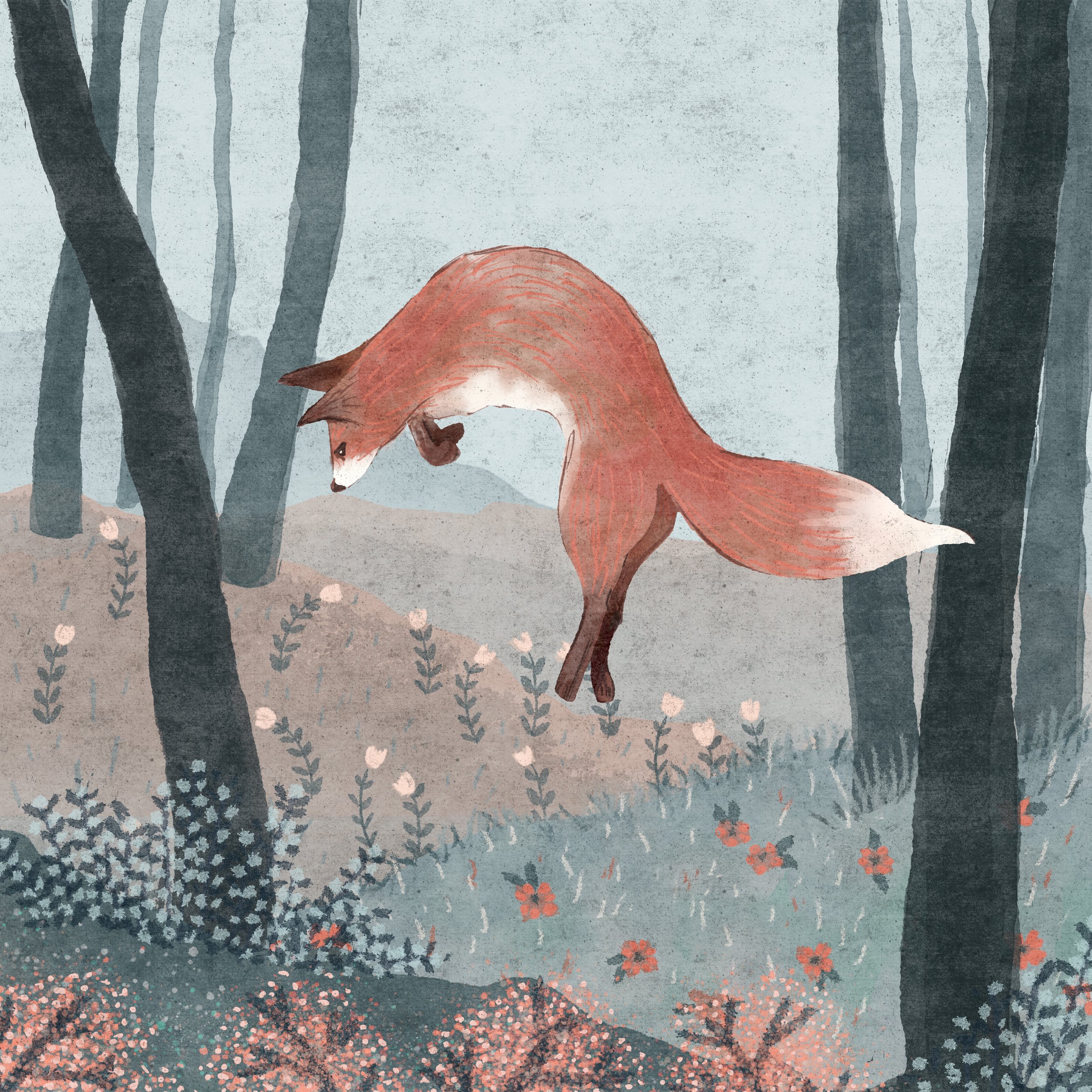
And now with Moonrise Menagerie on Patreon:
woodland settings
animals + flowers
a mythic tone
and each piece representing a different time of day
Each collection taught me something new, not by accident, but by design.
One of the Biggest Gifts of Working in Collections
Here’s something I didn’t expect:
It made self-critique easier and kinder.
When a piece felt off, it was obvious why.
And because it was part of a larger whole, fixing it felt constructive instead of personal.
Collections turn criticism into curiosity.
They help you ask:
What does this piece need to belong here?
If You’re Struggling With Style, Start Here
If you remember only one thing from this post, let it be this:
Style is a byproduct. Not the starting point.
If you want to begin:
Start with a 3-piece mini collection
Choose one motif
Choose a limited color palette
Let repetition teach you
Consistency builds confidence.
Confidence builds clarity.
Clarity builds style.
Want to See This Process in Real Time?
Inside my Patreon, I’m currently creating a year-long collection called Moonrise Menagerie and sharing my decisions, missteps, revisions, and breakthroughs as they happen.
If you want to:
watch a collection unfold from the inside
understand how cohesive bodies of work are built
and see how style emerges through story
👉 Join me on Patreon and follow the journey from the very beginning.