
How Creating Art in Collections Helps You Find Your Style (Without Forcing It)
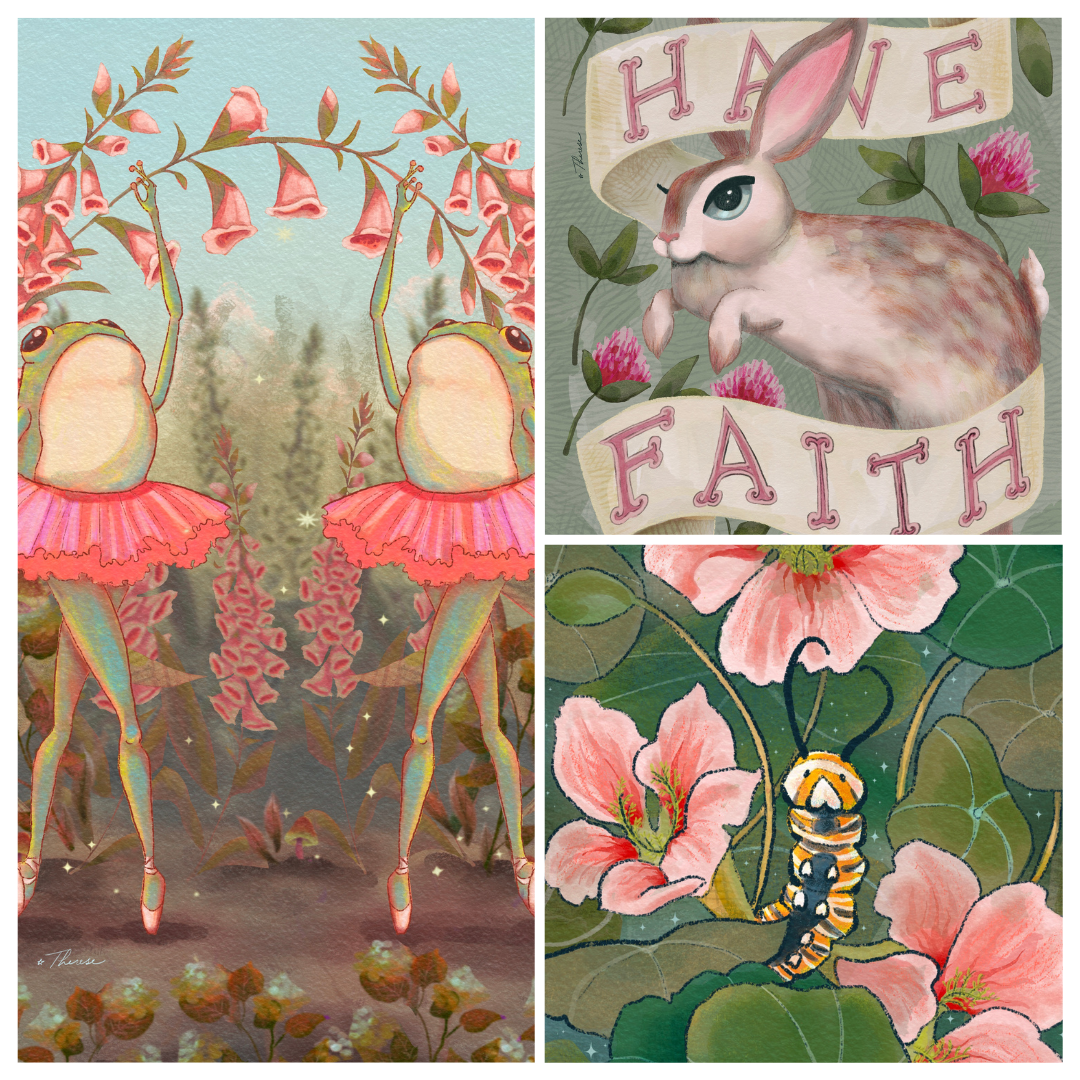
Pieces from my Botanical Beasties Collection 2025.
For a long time, I thought my art style was something I was supposed to discover like it was hiding somewhere just out of reach.
I believed that once I figured out my style, everything else would fall into place. That it would lead to my confidence, and clarity, giving me a sense of direction. I wanted the feeling of finally knowing what I was doing.
But what I’ve learned, through years of creating, experimenting, doubting, recommitting, and showing up anyway, is that style isn’t something you find first. It’s something that forms while you’re busy making meaningful work.
And for me, the biggest shift didn’t come from trying harder to “define” my style.
It came when I started creating in collections.
When Art Is Intuitive… but Scattered
Before I worked in collections, my creative process looked like this:
Inspiration would strike.
I’d make a piece.
I’d love the act of creating it.
Then I’d move on to the next idea.
As an intuitive, right-brained artist, this felt natural. Magical, even.
But over time, something felt off.
When I looked at my work as a whole, it felt scattered and disconnected. Like a series of beautiful moments that didn’t quite speak to each other.
And more importantly, I had no real sense of what my audience wanted from me.
It turned out, I didn’t lack creativity or even skill, I was actually lacking continuity.
Why Style Feels So Elusive When You’re Making One-Off Pieces
Here’s something I wish more artists talked about:
When you only create one-off pieces, you never stay with an idea long enough for your style to reveal itself.
Style doesn’t come from a single piece.
It comes from repeated choices.
When every artwork starts from scratch (with new colors, new tools, new moods, new methods) you don’t give your instincts time to deepen. You’re always beginning again.
Working in collections changed that for me completely.
What Creating Collections Gave Me (That I Didn’t Expect)
When I committed to telling a story over multiple pieces, something surprising happened:
I stopped obsessing over whether my work was “good enough.”
Instead, I started asking better questions:
What connects these pieces?
What feeling do I want someone to have when they see them together?
What choices need to stay consistent so the story makes sense?
And quietly, without forcing anything, my style began to emerge.
Not because I chased it, but because I stayed with something long enough to understand it.
Why Collections Reduce the Pressure of “Finding Your Style”
Here’s the revelatory part most artists don’t hear:
Style is a byproduct of consistency, not a prerequisite for it.
When you work in collections, your focus shifts from:
“What am I good at?”
to:
“What am I trying to give?”
You start by gathering:
a limited color palette
a recurring subject or motif
a setting or world
an emotional tone
a loose narrative arc
Suddenly, it’s no longer about proving yourself, instead It’s about serving the story.
And in serving the story, your preferences start to repeat themselves:
the same brushes
the same tools
the same layering order
the same line weight
the same kinds of shapes
the same color relationships
That repetition is style.
Style Is Not Just Something That Happens, It’s Also a Choice
This was another big realization for me:
Yes, style develops through practice.
But style also develops through decision-making.
Every time you choose:
which tools you use
which ones you don’t
which colors you return to
which processes feel natural to your hands
…you are actively shaping your style.
Working in collections made this visible.
Instead of experimenting endlessly, I started committing to a small set of choices and letting those choices teach me who I am as an artist.
My Doorway Into Every Collection: Color
Everyone has a doorway.
Mine is color.
Color is how I enter a story.
It’s how I feel my way forward.
Before I think about technique or polish, I ask:
What colors belong in this world?
Limiting my palette was the first thing that made my work feel cohesive.
If you’re just starting a collection, I always recommend this:
Choose 7 colors or fewer
Or even start with just 2–3
You’ll be amazed how quickly everything begins to speak the same language.
Real Examples From My Recent Collections
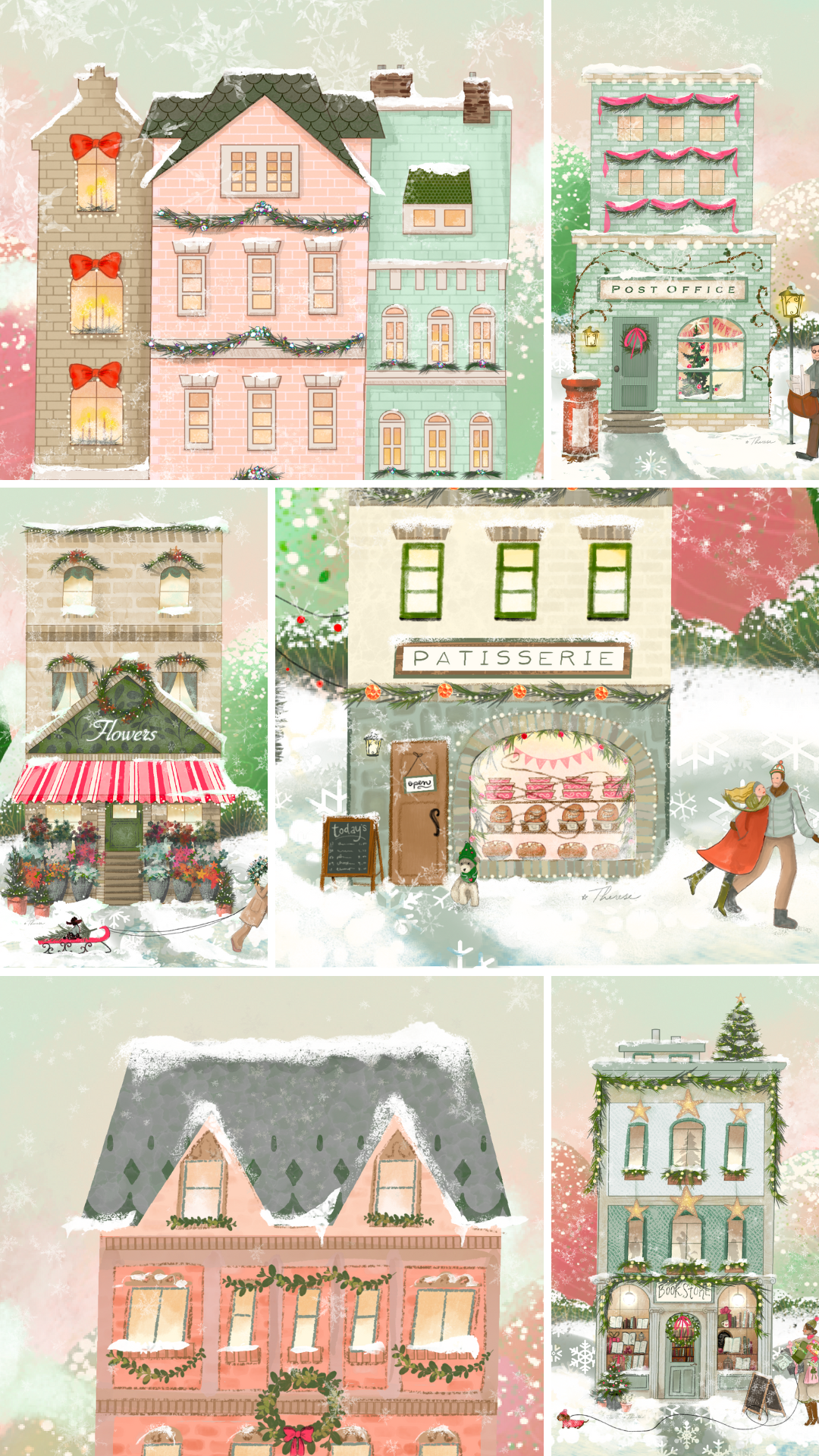
When I created my Christmas Village (Tinseltown 2025):
every building shared the same palette
every scene included people and dogs
the background texture was reused across pieces

With Scary & Sweet:
Victorian wallpaper
oval frames
named characters
a portrait-gallery feel (think Haunted Mansion)
And now with Moonrise Menagerie on Patreon:
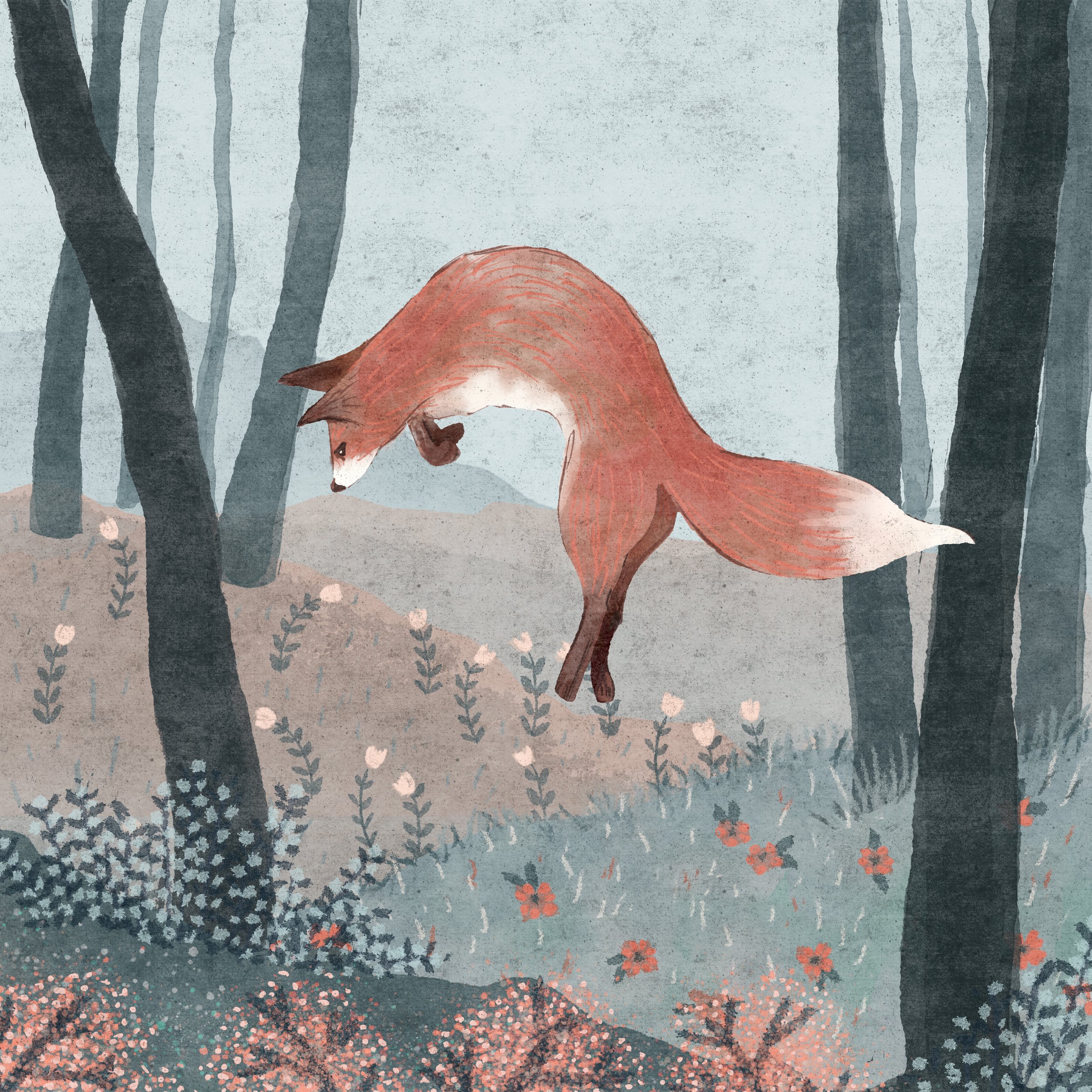
woodland settings
animals + flowers
a mythic tone
and each piece representing a different time of day
Each collection taught me something new, not by accident, but by design.
One of the Biggest Gifts of Working in Collections
Here’s something I didn’t expect:
It made self-critique easier and kinder.
When a piece felt off, it was obvious why.
And because it was part of a larger whole, fixing it felt constructive instead of personal.
Collections turn criticism into curiosity.
They help you ask:
What does this piece need to belong here?
If You’re Struggling With Style, Start Here
If you remember only one thing from this post, let it be this:
Style is a byproduct. Not the starting point.
If you want to begin:
Start with a 3-piece mini collection
Choose one motif
Choose a limited color palette
Let repetition teach you
Consistency builds confidence.
Confidence builds clarity.
Clarity builds style.
Want to See This Process in Real Time?
Inside my Patreon, I’m currently creating a year-long collection called Moonrise Menagerie and sharing my decisions, missteps, revisions, and breakthroughs as they happen.
If you want to:
watch a collection unfold from the inside
understand how cohesive bodies of work are built
and see how style emerges through story
👉 Join me on Patreon and follow the journey from the very beginning.
